
From the 1950s onwards, the spread of modern stained glass continued, sometimes also featuring abstract themes.
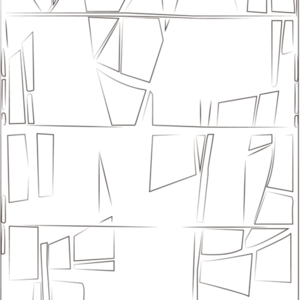
Whether it is now assigned to contemporary artists or remains entrusted to painter-glassmakers, the creation of modern stained glass windows in small rural churches that have suffered war damage or in large and new contemporary churches sometimes reveals themes of abstraction since the 1950s.
However, this new direction does not go without provoking strong reactions. While Manessier's abstract stained glass project for the church of Bréseux, in Doubs, was completed in 1950, this first commission of non-figurative stained glass in a historic monument sparked division and also led to numerous controversies between proponents of modernity and supporters of a more conservative approach. Subsequently, not all projects came to fruition. And when Jacques Bony created, in 1953, an abstract stained glass on the theme of baptism for the church of Choye, in Haute-Saône, which was widely praised by the critics of the time, the opposition was such that the stained glass was never installed.
Gradually, abstract themes would eventually come to be appreciated. Some artists would even make it their specialty, such as the painters and stained glass masters of the pâte de verre technique, Henri Guérin and Michel Guével. Others, like Gabriel Loire, who had started their careers creating figurative stained glass, would also move towards the realm of abstraction.