
Drawing its sources of inspiration from nature, the multiform and international Art Nouveau movement is also evident in French art glass of the Belle Époque (1890-1914), particularly in Paris and Nancy
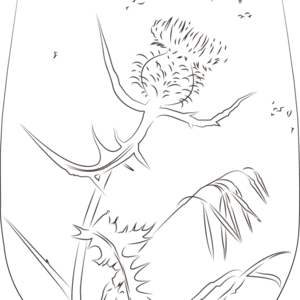
After producing glass vases with enamelled Japonisme decorations, the Parisian glassmakers Ernest Léveillé, Eugene Michel, and Alphonse-Georges Reyen turned to Art Nouveau. Using techniques such as multi-layer blown glass, acid etching, and wheel engraving, and drawing inspiration from nature, they created in their respective workshops small productions of high-quality glass art objects, of which only rare examples remain today.
Similarly, the Legras glassworks and the Pantin crystal factory also developed a range of objects decorated with naturalistic motifs. Figures such as Jules-Albert Dys and Georges Despret also created gourd-shaped vases, whose abstract decorations were achieved by experimenting with material effects and firing accidents.
In Nancy, after experimenting with the various historicist, orientalist, and Japonist trends of his time, Émile Gallé also turned to nature, drawing inspiration from fauna and flora to create works in glass that remain unparalleled to this day.
Influenced by this exceptional artist, his former collaborators and new competitors such as Désiré Christian in Meisenthal, Antonin Daum in Nancy, or the Muller brothers in Croismare also contributed during this period to the creative excitement of Art Nouveau glassmaking in Lorraine.