
Alongside the mass production of glass art industries of the interwar period, several artist-craftsmen of this era ventured into creating unique pieces.
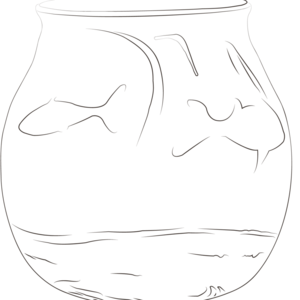
After renewing the practice of enamelled glass, Maurice Marinot was also, in the early 1920s, the first modern artist to experiment with hot glass to create unique items. At the Viard glassworks in Bar-sur-Seine, he produced small bottles made of thick glass, decorated with bubbles and metallic oxides, some of which were deeply engraved with geometric patterns or stylized figures. In the same way, Georges Dumoulin, Henri Navarre, and, more rarely, Auguste Heilgenstein also developed similar works. Navarre additionally created a small series of sculptures depicting heads and masks, which he made by casting glass into molds.
At the same time, Jean Sala is an exception. Indeed, unlike the previous artist-artisans who produced their works by using the facilities of existing manufactories, this glassmaker of Catalan origin created unique pieces in poorly refined glass in his personal workshop, located in the artistic Montparnasse of the Roaring Twenties. This way of working is the first known example of an independent practice, outside of glass factories.
In Nancy, Aristide Colotte and Paul Nicolas also create unique pieces, recognized for the quality of their carved and engraved decorations. Mastering the technique of direct carving with a burin and chisel, Colotte sculpts Art Deco designs on raw vases purchased from the Baccarat glassworks. A former collaborator of Émile Gallé, renowned for his skills as a glass decorator, Nicolas engraves naturalistic designs on raw vases acquired from the Saint-Louis glassworks, some of which are one of a kind.